
A Guide to Cultural Experiences on School Trips to Andalucía
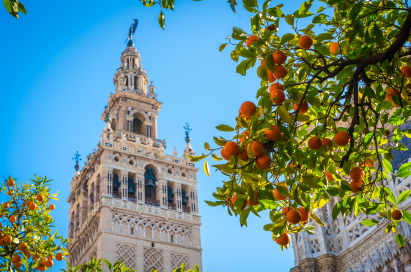
Andalucía is one of Spain's most captivating regions, a place where history, art, and tradition thrive in every sun-soaked square and cobbled street. From the echo of flamenco guitars in Seville to the intricate arches of the Alhambra in Granada, it's a region alive with culture, colour and stories that span centuries.
For schools, Andalucía offers an exceptional educational experience. It’s a destination that brings language learning to life, deepens understanding of religion and history, and helps students appreciate the blend of influences that shaped modern Spain. If you’re wondering what to do in Andalucía, where to visit, or what makes it so famous, this guide explores everything you need to know to plan a truly inspiring school trip.
What is Andalucía famous for?
Andalucía is often described as the heart of Spanish culture, and for good reason! This southern region captures the essence of Spain's identity, from its Moorish palaces to its lively tapas bars and passionate music.
AndalucÍa's rich blend of Civilisations
Few regions in Europe tell such a fascinating story of coexistence. Romans, Visigoths, Muslims, Jews, and Christians all left their mark on Andalucía's architecture, traditions, and daily life. The result is a living museum of cultural fusion, ideal for students learning about world history, religion or art.
- The Alhambra in Granada - Perhaps the most iconic symbol of Moorish Spain, this sprawling fortress-palace is famous for its intricate stucco designs, peaceful courtyards, and sweeping views over the city.
- The Mezquita-Catedral in Cordoba - A striking example of religious tolerance, this former mosque turned cathedral reflects centuries of cultural change in Spain.
- The Alcazar of Seville - One of Europe's oldest royal palaces still in use, known for its tilework, lush garden, and blend of Islamic and Gothic architecture.
Flamenco and Music
Andalucía is the birthplace of flamenco, an art form that combines song, guitar and dance to express deep emotion. Seville and Jerez de la Frontera are particularly known for their authentic performances. Many schools enjoy attending a live show or taking part in a flamenco workshop, a fun and memorable way to connect with local culture.
Food and Everyday Life
Food is a cornerstone of Andalucían identity. Tapas is a social way of eating that is enjoyed daily by Spaniards. Students can experience this tradition by visiting local markets, trying regional dishes such as salmorejo, tortilla espanola or churros con chocolate.
Festivals and Traditions
Andalucía's calendar is filled with colourful celebrations:
- Semana Santa (holy week) - Intricately crafted floats and processions fill the streets of Seville, Malaga and Granada.
- Feria de Abril (April fair) - Seville comes alive with traditional dress, music and dance, an unforgettable insight into Spanish life and community spirit.
These experiences help students understand not just Spanish culture, but also the values of faith, family and festivity that shape it.
Top Places to Visit on a School Trip to Andalucía
When planning a school trip, teachers often wonder where to visit in Andalucía to balance education with enjoyment. Here are some of the most rewarding destinations for school groups
Seville - The cultural capital of the south
Seville is a city that radiates charm and authenticity. Every corner tells a story, and it's compact enough for students to explore the sights easily on foot.
Some must-see places in Seville are:
- The Royal Alcazar - A perfect starting point to discuss Islamic art and medieval Spanish history.
- Seville Cathedral and the Giralda Tower - The largest Gothic cathedral in the world, climbing the Giralda offers panoramic city views.
- Plaza de España - A vast, semi-circular plaza representing Spain's provinces. It's great to capture photos, geography links and understand national identity.
- Metropol Parasol - A modern architectural marvel contrasting Seville's old town, showing how the city embraces both heritage and innovation.
- Flamenco Museum - An engaging introduction to the rhythm and emotion of this world-famous art form.
Many groups enjoy taking an evening river cruise on the river Guadalquivir, seeing landmarks from the water while learning about Seville’s role in Spain’s exploration of the Americas.
Granada - The Jewel of Moorish Spain
Set against the backdrop of the Sierra Nevada mountains, Granada is a breathtaking blend of history and scenery.
Some must-see sites in Granada include:
- The Alhambra - A masterpiece of Moorish design and a UNESCO World Heritage site. Guided educational tours explore its symbolism, calligraphy and geometry.
- The Generalife Gardens - Once a royal retreat, offering lessons in landscape design and sustainability.
- The Albaicin District - Wander narrow, whitewashed streets filled with Arabic influences, traditional tea houses and artisan shops.
- Mirador de San Nicolas - A viewpoint where students can sketch or photograph the Alhambra framed by snow-capped peaks.
Granada also gives teachers the chance to discuss multicultural coexistence and Spain's Islamic heritage in a tangible, immersive way.
Cordoba - A city of three cultures
Cordoba offers a quieter, more reflective experience - perfect for exploring religious tolerance, architecture, and philosophy.
Some key experiences in Cordoba include:
- The Mezquita cathedral - One of the world's greatest examples of Islamic art and Christian influence coexisting in one building.
- The Jewish Quarter - Winding streets lined with courtyards full of flowers and history.
- Medina Azahara - Archaeological ruins just outside the city, once a grand Moorish palace city, now being excavated and restored.
The story of Cordoba provides rich context for lessons on the coexistence of faiths, making it ideal for religious education or history-focused trips.
Malaga - Art, Sunshine and the Sea
For groups looking to combine cultural exploration with a coastal base, Malaga is a brilliant option.
Some top spots to visit in Malaga include:
- The Picasso Museum and Picasso's birthplace - A fascinating insight into the artist's life and legacy.
- The Alcazaba and Gibralfaro Castle - Fortresses overlooking the Mediterranean that highlight the city’s strategic importance throughout history.
- Cantre Plpidou Malaga - A colourful, modern art space, great for students studying creativity and expression.
- Malaga Cathedral and Old Town - Full of lively markets, narrow lanes, and traditional cafes.
The city's beaches offer space to relax and reflect after a busy day of learning, or to run fun team-building activities by the sea.
What to Do in Andalucía on a School Trip
Andalucia offers endless opportunities for learning through experience. Beyond sightseeing, here are ways to make your trip even more engaging.
Cultural Workshops and Language learning
- Spanish cooking classes - Students can make paella or tapas whilst practising their Spanish.
- Flamenco workshops - Learn rhythm, expression, and body movement, and have a great team-building experience.
- Language exchanges - Partner with a local school or language centre for conversation sessions.
Historical and Religious exploration
- Visit Italica, near Seville - The birthplace of Roman emperors Trajan and Hadrian, with impressive amphitheatre ruins.
- Explore Cadiz - One of Europe's oldest cities, to discuss trade, exploration, and Spain’s maritime history.
- Discover Ronda - A dramatic hilltop town split by a deep gorge, famous for its bridges and views.
Art and Museum Visits
- Malaga’s art museums (Picasso, Pompidou, Carmen Thyssen) showcase Spain’s creative evolution.
- Granada’s science park offers hands-on exhibits linking STEM with cultural discovery.
- Seville’s Museum of Fine Arts is ideal for students studying European painting and sculpture.
Outdoor and Environmental learning
Andalucia landscapes are as diverse as its cities. Teachers can integrate fieldwork or environmental studies into their trip:
- Sierra Nevada National Park - A perfect destination for geography and biology fieldwork.
- Donana National Park - One of Europe's most important wetlands and home to rare species.
- Caminito del Rey - A safe and thrilling walkway offering lessons in engineering, ecology and tourism development.
Why choose Andalucia for your next school trip
Andalucía's culture, accessibility and warmth make it a natural choice for school travel, here’s why:
- Cross-curricular value: It connects languages, history, art, and geography in one destination.
- Engagement through experience: Students learn not by memorising facts, but by seeing and experiencing them with their own eyes.
- Safe and welcoming: Andalucíans are known for their hospitality, and cities are well equipped for student groups.
- Inspiration and connection: Whether it's tasting tapas, hearing flamenco or standing in a centuries-old mosque, every moment helps students see the world through a broader lens.
Plan a Bespoke School Trip to Andalucía with European Study Tours
Every school group is different, and your trip to Andalucía should be too.
At European Study Tours, we specialise in creating tailor-made itineraries designed around your students’ learning goals and your curriculum focus. Whether you want to immerse your group in Seville’s language and lifestyle, explore Granada’s Moorish legacy, or balance art and beach time in Málaga, we’ll help you build a trip that’s as inspiring as it is educational.
Our experienced team works closely with teachers to arrange everything, from accommodation and local transport to guided tours, cultural workshops, and meals. You’ll have the flexibility to shape each day according to your priorities, ensuring your students get a meaningful and memorable experience.
Bring Andalucía’s culture to life with a trip designed just for your school.
Contact European Study Tours today to start planning your bespoke educational learning experience.

